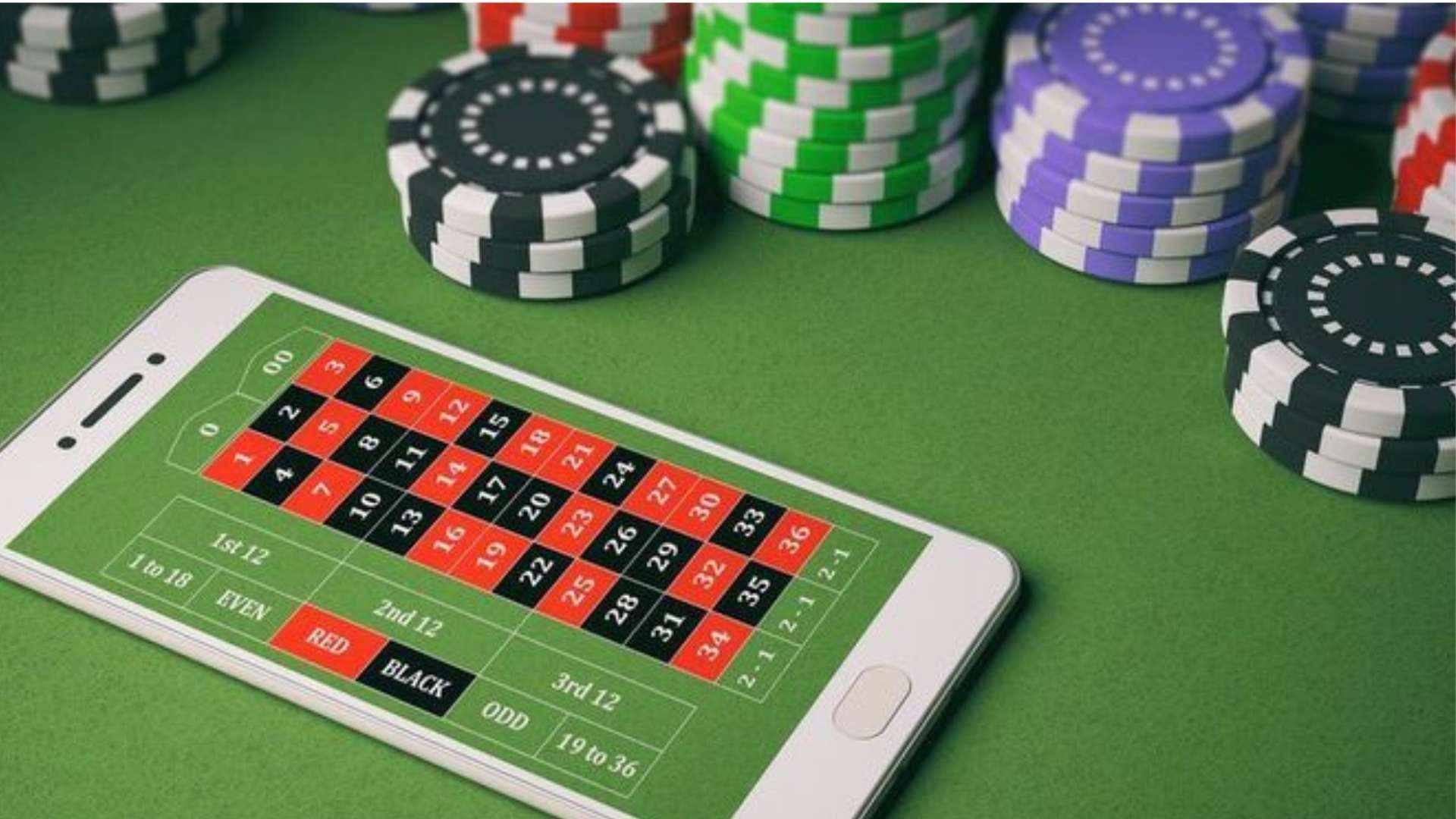
The word casino has a rich history that traces its roots directly back to Italy long before it became associated with modern gaming tables and brightly lit resorts. Originating from the Italian word casa, which translates to house, adding the diminutive suffix ino historically transformed the meaning into little house. Exploring this linguistic journey reveals how a simple term for a quiet rural retreat eventually evolved into an international designation for gaming entertainment centers.
Linguistic Origins and Etymology
In classical Italian, a casino originally referred to a small country villa, summer residence, or hunting lodge owned by wealthy noble families. These structures were built away from busy urban centers to offer aristocracy a private place to relax, host social gatherings, and enjoy leisure time. Over time, the term expanded to include small social clubs and pavilions constructed within the grounds of larger Italian palaces.
As these private country houses grew in popularity during the Renaissance, they naturally became centers for music, dancing, and recreational gaming. The transformation of the word highlights how social customs directly shape language evolution over centuries. Today, etymologists trace the global usage of the term back to these modest Italian architectural origins.
Evolution Into Public Entertainment Venues
During the seventeenth century, the concept of the small social house began shifting toward organized public entertainment venues in urban areas. Venice played a pivotal role in this transformation when city authorities recognized the need to regulate social gatherings and private gaming during festival seasons. Establishments like the famous Casino di Venezia began offering structured card games, transforming private leisure into regulated commercial gaming.
This transition marked the official shift of the word from a private country home to a recognized establishment dedicated to public gaming and social assembly. As European travelers visited Italy, they adopted the term to describe similar entertainment spaces in their home countries. Modern readers interested in digital gaming trends can reference resources such as m88 link alternatif to understand how modern platforms reflect historical shifts in global gaming culture.
The Colloquial Meaning in Modern Italian
Interestingly, the word carries a secondary colloquial meaning in modern spoken Italian that surprises many non-native speakers. In everyday Italian slang, saying fare un casino translates to making a mess or causing noise and chaos. This informal usage likely stems from the bustling, noisy atmospheres associated with historic social houses and nineteenth-century entertainment halls.
Because of this vibrant double meaning, native speakers frequently use the term in non-gaming contexts to describe disorganized situations or loud gatherings. Understanding this nuance provides deeper insight into contemporary Italian language and popular culture. It demonstrates how a single word can maintain both historic architectural roots and dynamic conversational expressions.
Cultural Legacy of the Italian Casino
The global adoption of the Italian term underscores Italy's significant influence on European hospitality and architectural history. From quiet country retreats to iconic gaming palaces, the concept has continuously adapted to meet changing human desires for leisure and social connection. Today, virtually every language utilizes the word to denote gaming venues, preserving a piece of Italian linguistic heritage worldwide.
Examining the word's history reveals a fascinating narrative of architectural evolution, social reform, and cultural diffusion across borders. The journey from a little house in the Italian countryside to an international symbol of resort entertainment showcases the enduring power of language. Ultimately, the term serves as a bridge connecting historical European traditions with contemporary global entertainment concepts.