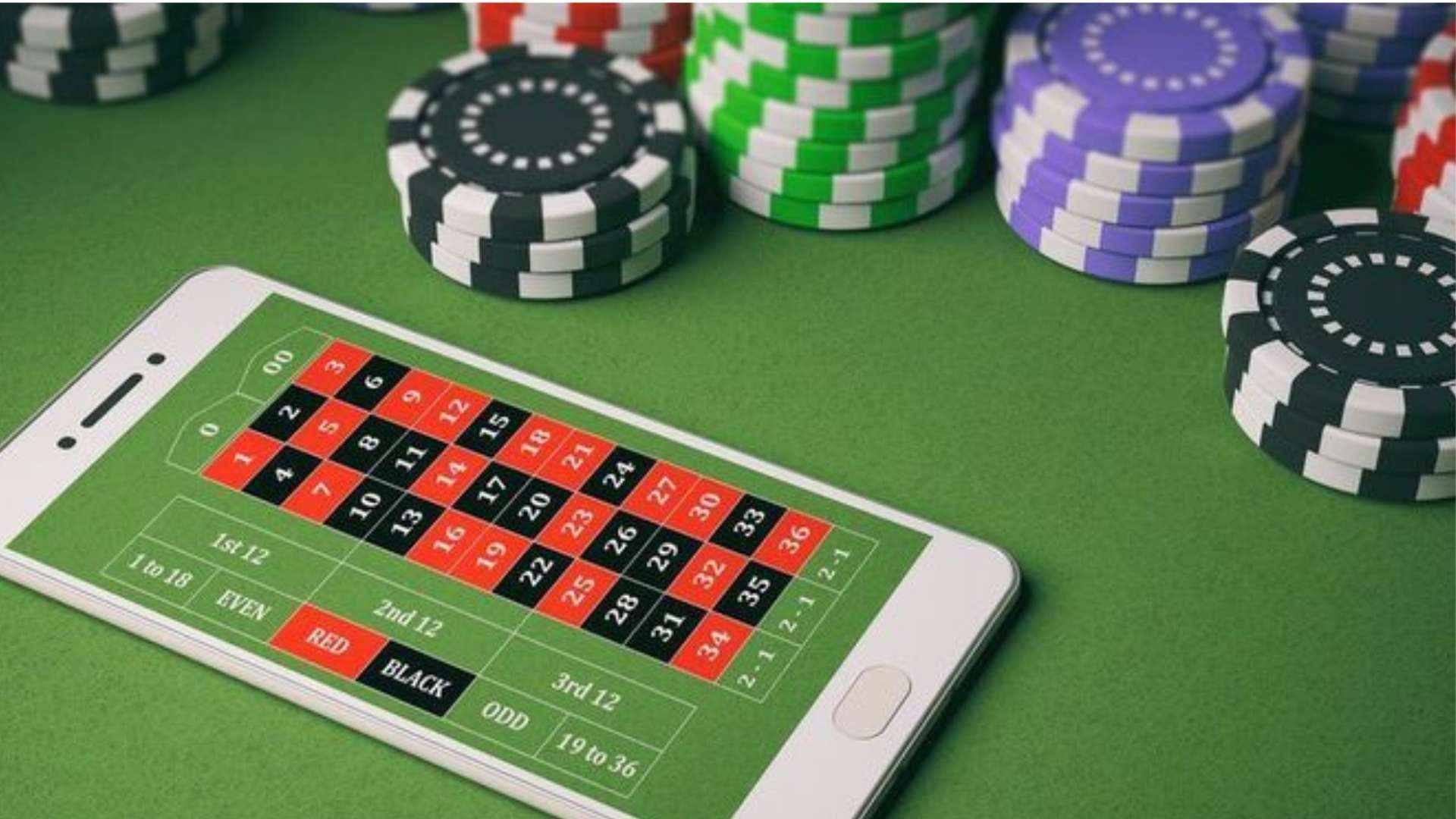
The landscape of competitive table games is undergoing a massive transformation as technology and shifting player habits redefine how we play. From traditional brick-and-mortar casino setups to high-stakes digital environments, players are demanding more interactive, strategic, and balanced experiences. As we look ahead, the integration of smart systems is paving the way for an entirely new era of tabletop competition.
The Rise of Hybrid Gaming Environments
Modern tabletop tournaments are increasingly bridging the gap between physical components and digital convenience. Developers are introducing specialized sensors and smart tables that track card movements and dice rolls in real time. This technological synergy helps eliminate human scoring errors while maintaining the tactile satisfaction of physical play.
In addition to physical upgrades, virtual platforms have expanded the reach of classic tournaments to a global scale. Players from different continents can now sit at the same virtual table and compete under standardized, highly regulated conditions. This accessibility is driving a surge in competitive memberships and amateur leagues worldwide.
Enhanced Security and Play Integrity
As competition intensifies, ensuring fair play has become a primary focus for tournament organizers and platform developers. Advanced algorithms and artificial intelligence are now being deployed to analyze playing patterns and detect anomalies instantly. These security measures build a foundation of trust that is crucial for the long-term growth of professional gaming networks.
To enjoy a secure environment with robust systems, many players turn to trusted digital spaces. For instance, exploring established platforms like M88asia offers gamers a reliable look at modern interactive interfaces. Utilizing these highly regulated environments helps competitors refine their strategies in a safe, transparent setting.
The Evolution of Player Skill and Analytics
The modern competitive player relies on deep statistical data and post-match analysis rather than mere intuition. New training software allows players to simulate thousands of hands or scenarios to find the mathematically optimal decision. This analytical approach has elevated the overall skill level, making professional matches tighter and more thrilling to watch.
Furthermore, spectating has evolved with integrated broadcast graphics that display real-time winning probabilities and player statistics. Audiences can now follow complex strategies with ease, transforming competitive tabletop gaming into a mainstream spectator sport. This rise in viewership is attracting larger sponsorships, further cementing its position in the global entertainment industry.